

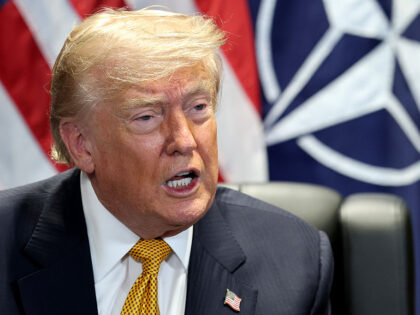
Trump’s abrupt decision to sever trade ties with Spain over its NATO shortfalls isn’t just another headline—it’s a blunt reminder that alliances are only as strong as the willingness to pay for them. By freezing commerce with a nation that has long coasted on U.S. security guarantees while underfunding its own defense, the administration is signaling that free-riding on American taxpayers is no longer an option. For the firearms community this matters because Spain’s defense industry has quietly supplied components and small-arms accessories to U.S. contractors; any prolonged rupture could tighten supply chains for optics mounts, suppressors, and specialty steels that domestic makers have come to rely on.
At the same time, the move underscores a broader strategic pivot toward reshoring critical manufacturing. When Washington weaponizes trade to enforce alliance commitments, it accelerates the same logic that already drives on-shoring of ammunition and optics production here at home. Second Amendment advocates have long argued that dependence on foreign suppliers—especially those who treat NATO obligations as optional—creates both strategic and economic vulnerabilities. A Spain cut-off could therefore serve as an unexpected catalyst for American firms to expand capacity, hire more skilled machinists, and bring even more of the small-arms ecosystem back under domestic control.
The longer-term implication is that trade policy is now being openly fused with alliance discipline, and the 2A community stands to benefit from the resulting pressure to rebuild a fully sovereign defense-industrial base. Every time a foreign partner is reminded that security guarantees come with real costs, the case for American-made firearms, ammunition, and accessories grows stronger—both as a matter of national resilience and as a practical hedge against future diplomatic shocks.


