

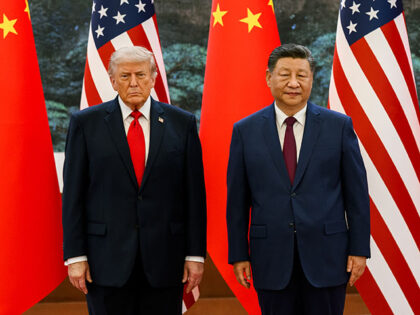
Trump’s claim that Beijing quietly pushed for his resignation during his first term isn’t just another campaign talking point—it’s a reminder of how deeply intertwined U.S.–China tensions are with the domestic policy fights that matter most to gun owners. While the mainstream press fixates on the optics of the accusation, the real story is that any softening of American resolve toward the CCP would have handed Beijing exactly what it wanted: a U.S. administration less willing to confront supply-chain vulnerabilities, technology theft, and the strategic encirclement of Taiwan. For the firearms community, that matters because the same globalist pressures that favor appeasing China also fuel the domestic gun-control lobby’s push to import foreign regulatory models—think Australia’s buybacks or the EU’s ever-tightening serialization rules—under the banner of “international norms.”
The timing of Trump’s revelation is no accident. With the 2024 cycle heating up and the Biden-Harris administration still courting Beijing on climate and trade deals, the contrast couldn’t be sharper: one side sees China as an adversary that must be economically decoupled and militarily deterred; the other treats it as a partner whose sensitivities must be accommodated. That philosophical split directly affects everything from the availability of cheap Chinese optics and components to the political capital available for defending the Second Amendment against renewed assault-weapon bans. Gun owners who remember the Obama-era pivot to Asia know that when Washington blinks at the CCP, the domestic regulatory state often follows suit, using trade leverage and “harmonization” language to justify new restrictions at home.
Bottom line, Trump’s anecdote underscores why the 2A community cannot afford to treat foreign policy as someone else’s problem. Every administration that signals weakness to Beijing risks importing not just cheap goods, but cheap ideas about who should be allowed to own what. The fight to keep American gun rights robust is inseparable from the larger contest over whether the United States will remain a confident, sovereign nation—or slowly adopt the centralized control preferences of its chief strategic rival.


