

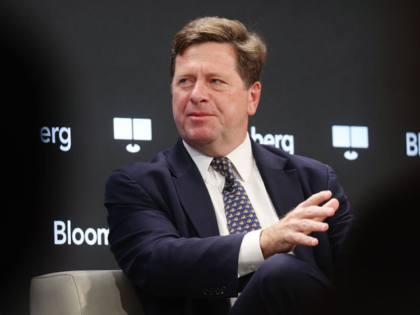
President Trump’s decision to elevate Jay Clayton from U.S. Attorney in Manhattan to Director of National Intelligence signals a deliberate pivot toward an intelligence apparatus that values prosecutorial rigor over bureaucratic inertia. Clayton’s record prosecuting high-profile financial crimes and public-corruption cases shows he understands how to follow money trails and dismantle networks—skills that matter when foreign adversaries use shell companies, cryptocurrency, and dark-web marketplaces to arm cartels or funnel weapons to proxies. For the 2A community, that matters because intelligence products shape everything from export-control lists to “ghost gun” tracing initiatives; a DNI who has already stared down sophisticated criminal enterprises is less likely to rubber-stamp policies that treat lawful gun owners as presumptive threats.
Equally important is the cultural signal. Clayton arrives without the Beltway résumé that often produces reflexive skepticism toward civilian firearms ownership. His tenure in the Southern District exposed him to the real-world consequences of failed border enforcement and transnational crime, giving him firsthand appreciation for how armed citizens in rural counties can serve as force multipliers when federal resources are stretched thin. If he applies the same evidentiary standards he used in white-collar cases to intelligence assessments about “domestic extremism,” the community could see fewer analytically sloppy reports that conflate lawful training with subversion.
The longer-term implication is structural. A DNI with prosecutorial DNA may push the intelligence community to distinguish more sharply between constitutionally protected conduct and genuine national-security risks, reducing the likelihood that raw social-media posts or lawful firearm purchases become tripwires for watch-listing. That recalibration would not only protect individual rights but also sharpen focus on actual foreign threats—state actors and cartels—that demonstrably seek to exploit America’s firearms market. In short, Clayton’s appointment is less about one man and more about whether the nation’s top intelligence post will finally treat the Second Amendment as a feature of American resilience rather than a liability to be managed.


