

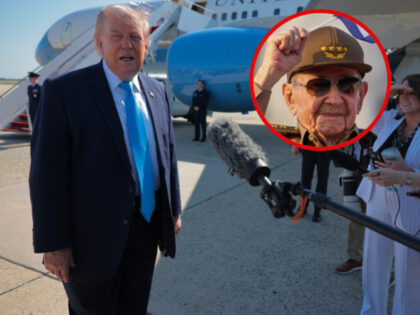
President Donald Trump called the indictment of former Cuban President Raúl Castro a “very big moment” for Cuban Americans, who he believes “appreciate” the indictment. For a community that fled decades of brutal communist repression, the news lands with special weight. Many Cuban exiles and their descendants remember not just the economic misery and political prisons, but the total disarmament that made resistance nearly impossible. Under Castro rule, private firearms ownership was effectively eliminated, turning the population into subjects rather than citizens capable of defending their liberty. Trump’s recognition of the indictment taps directly into that historical memory, reminding Cuban Americans why the Second Amendment is more than a policy preference; it is insurance against the very tyranny their families escaped.
The symbolism here runs deeper than partisan politics. Raúl Castro’s regime perfected the model of centralized power enforced by an unarmed populace and a militarized state security apparatus. Generations of Cuban Americans have carried that lesson into their strong support for robust gun rights in the United States. They understand that the right to keep and bear arms is the ultimate check on government overreach, the one the Castros could never allow. Trump’s framing elevates this indictment beyond a mere legal proceeding into a moral reckoning that resonates with voters who see parallels between socialist policies creeping into American discourse and the nightmare their relatives lived. For the 2A community, it reinforces a core truth: disarmed societies rarely vote their way back to freedom.
This moment also serves as a timely reminder amid current debates over gun control and expanding federal power. Cuban American voices, often among the most passionate defenders of the Second Amendment, bring lived experience that abstract theory cannot match. Their appreciation for Trump’s stance isn’t rooted in nostalgia but in hard-won wisdom that an armed citizenry remains the final safeguard of every other right. As the legal case against Castro unfolds, it offers the 2A community a powerful narrative tool: freedom’s survival depends not on the benevolence of rulers, but on the retained ability of the people to resist them.


