

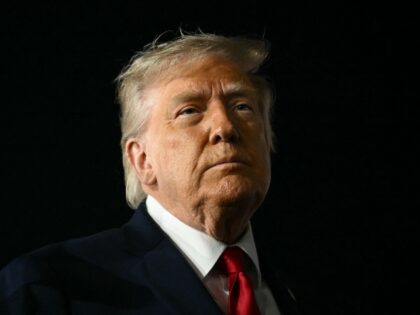
In a move that caught even seasoned foreign policy watchers off guard, President Trump’s decision to stand down from planned strikes on Iran and instead green-light a multilateral deal signals a deliberate pivot toward de-escalation that carries ripple effects far beyond the Middle East. By framing the agreement as “approved by all parties,” the administration is signaling it has secured buy-in from Gulf partners, Israel, and perhaps even quiet nods from Beijing and Moscow—an unusual diplomatic alignment that reduces the immediate risk of a wider regional war. For the firearms community, that matters because sustained conflict in the Persian Gulf has historically driven both ammunition and component prices skyward while tightening export controls; a credible off-ramp lowers those pressures and keeps domestic supply chains more predictable.
At the same time, the episode underscores how quickly executive discretion over the use of force can shift market sentiment and regulatory posture. Gun owners who watched the 2019-2020 tanker-war spike in 5.56 and 7.62 prices remember that even the rumor of strikes can empty shelves faster than any ATF rule change. With tensions dialed back, importers and manufacturers gain breathing room to plan production runs without the overhang of potential ITAR or EAR restrictions that accompany active hostilities. That stability also gives pro-2A lawmakers on Capitol Hill more political capital to advance reciprocity and suppressor reforms rather than triage emergency funding measures tied to overseas contingencies.
Longer term, the episode is a reminder that the Second Amendment community’s interests are intertwined with a steady hand on the throttle of American power projection. When the executive chooses negotiated off-ramps over open-ended commitments, it reduces the likelihood that future administrations will invoke national-emergency authorities to restrict firearms or ammunition under the guise of wartime necessity. In short, today’s canceled strikes and the deal they enabled are not just foreign-policy footnotes—they are data points that prudent gun owners will file away when assessing which candidates and policies best safeguard both peace abroad and the right to keep and bear arms at home.


