

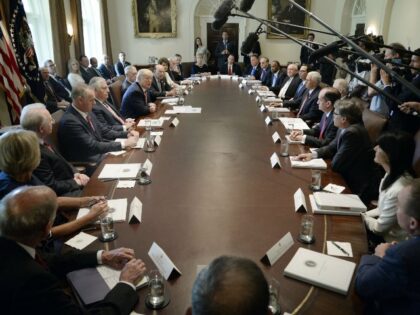
The Trump administration’s decision to green-light TikTok for federal employees isn’t just a policy footnote—it’s a calculated move to weaponize the very platform once branded a national-security threat. By letting Cabinet officials speak directly to Gen-Z and millennial audiences on an app that still funnels data through Beijing-linked servers, the administration is betting that narrative control outweighs lingering espionage concerns. For Second Amendment advocates, the timing is telling: the same DOJ that once warned TikTok could harvest keystrokes and geolocation now sees it as a megaphone for pro-Second Amendment talking points ahead of the midterms.
The optics are equally sharp. While legacy media continues to frame gun owners as fringe, a verified @ATFHQ or @DOJ account dropping quick clips of lawful self-defense stats or constitutional originalism could bypass editorial gatekeepers and rack up millions of views overnight. That reach matters when states like California and New York keep tightening “sensitive-place” rules; a single viral video of a permit-holder’s defensive-gun-use story can shift the Overton window faster than any op-ed. The risk, of course, is that the same algorithm favoring short, emotionally charged clips could just as easily amplify the next viral “AR-15 is a weapon of war” montage if the platform’s content-moderation team tilts left.
Bottom line, the 2A community should treat this as an opening, not an endorsement. Follow the new accounts, bookmark primary-source clips, and be ready to amplify factual, rights-affirming content before hostile narratives fill the vacuum. TikTok may still be a double-edged sword, but for the first time in years the federal government is handing gun owners the handle instead of the blade.


