

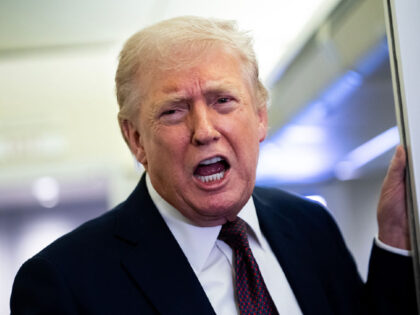
Trump’s latest jab at Stephen A. Smith isn’t just another round of cable-news theater; it’s a reminder that the same cultural gatekeepers who lecture the president about “optics” at a basketball game are the ones who routinely paint lawful gun owners as public-safety threats. When Smith called the president’s presence at the NBA Finals a distraction, he was echoing the same elite disdain that treats any display of normal American life—whether it’s courtside seats or a concealed-carry permit—as inherently suspect. Trump’s counterpunch lands because it exposes how quickly the commentariat pivots from policy debate to personal ridicule the moment their cultural monopoly is challenged.
For the 2A community the episode is instructive. The same outlets that spent years framing the Second Amendment as a fringe obsession now find themselves on the defensive when their own audience drifts toward candidates who treat gun rights as non-negotiable. Trump’s willingness to punch back at media personalities signals that the old tactic of shaming gun owners into silence has lost its sting; voters increasingly see through the selective outrage that celebrates athletes but vilifies citizens who train with AR-15s or keep a nightstand pistol. That shift matters in an election cycle where state-level carry reforms and federal suppressor deregulation are on the table—momentum that depends on a president who refuses to apologize for enjoying the same leisure as any other citizen.
The deeper implication is that cultural permission to own and carry firearms is being renegotiated in real time. When the loudest voices in sports media treat a presidential appearance at a game as scandalous, they reveal how thoroughly the anti-gun narrative has fused with a broader project of social control. Trump’s blunt response undercuts that project by modeling the unapologetic stance that millions of gun owners have adopted: the right to keep and bear arms is not a permission slip granted by ESPN’s green room, and neither is the right to show up courtside without seeking absolution from the commentariat.


