

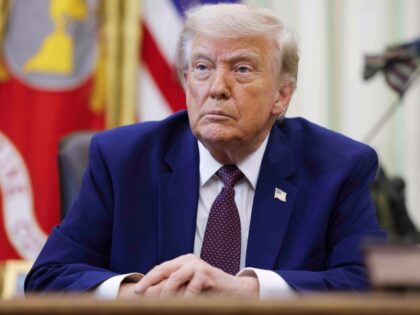
President Trump’s push for a short-term FISA extension lands at a moment when the intelligence community’s surveillance tools are already under intense scrutiny for past abuses that swept up Americans—including law-abiding gun owners—without warrants. By tapping Bill Pulte, a vocal critic of bureaucratic overreach, as Acting DNI, the administration is signaling it wants fresh eyes on programs that have historically blurred the line between foreign threats and domestic political targeting. For the 2A community this matters because FISA’s “two-hop” querying and backdoor searches have repeatedly been used to vacuum up communications of gun-rights advocates, NRA members, and even congressional staff working on pro-Second Amendment legislation, all under the flimsy justification of “foreign influence.” A short-term patch that lacks serious reforms risks locking in those same authorities just as the next administration could weaponize them again.
The timing is no accident. With midterm pressure mounting and legacy media already framing any FISA skepticism as “soft on terrorism,” the White House is threading a narrow needle: keep the tools that actually catch foreign spies while buying time to impose the warrant requirements and minimization rules that civil-liberties and gun-rights groups have demanded for years. Pulte’s outsider status could accelerate that recalibration, but only if Congress resists the temptation to rubber-stamp another multi-year reauthorization that buries accountability language in classified annexes. Second Amendment supporters should watch which lawmakers treat this extension as an opportunity to codify protections against domestic surveillance and which ones treat the Constitution like an afterthought.
Ultimately, the fight over FISA is a proxy battle for whether the surveillance state will continue to view armed, politically active citizens as presumptive threats. A short-term extension that kicks reform down the road hands future administrations—Republican or Democrat—the same unaccountable database that has already been misused against gun owners. The 2A community’s leverage lies in demanding that any renewal come with ironclad warrant rules, strict auditing of queries involving firearms-related speech, and real consequences for analysts who treat the Fourth Amendment as optional. Without those guardrails, “national security” will keep serving as the all-purpose excuse to monitor citizens who simply refuse to surrender their rifles or their opinions.


