

President Donald Trump dropped a geopolitical bombshell when he disclosed that leaders from Saudi Arabia and Qatar personally urged him to “hold off” on a planned U.S. military strike against Iran. Far from idle chatter, this revelation underscores the delicate tightrope walk happening behind closed doors in the Middle East where even America’s Sunni Arab partners, who normally cheer every tough measure against Tehran, suddenly got cold feet. The request highlights how quickly regional players can shift from hawkish posturing to pleading for restraint once real kinetic consequences loom. For years we’ve watched Iran arm and train proxy militias while its regime openly chants “Death to America,” yet the moment American resolve appears ready to move beyond sanctions and strongly worded statements, the same neighbors who benefit most from a neutered Iranian threat start whispering for delay.
This moment carries layered implications that the 2A community should watch closely. Every time Iran edges closer to nuclear breakout or escalates attacks on shipping lanes and U.S. assets, the probability of American service members being drawn into direct conflict rises. History proves that when U.S. forces deploy into messy regional wars the domestic gun control crowd rarely misses the opportunity to exploit the chaos, whether through emergency powers, supply chain disruptions, or renewed assaults on civilian ownership under the guise of “national security.” An Iran strike postponed today could mean a larger, costlier confrontation tomorrow, one that might coincide with election cycles or domestic unrest where politicians instinctively reach for gun control as a distraction. Second Amendment supporters understand that a strong, deterrence-focused foreign policy actually reduces the likelihood of Americans having to send their sons and daughters into endless wars, preserving both liberty abroad and the ability to defend that liberty at home.
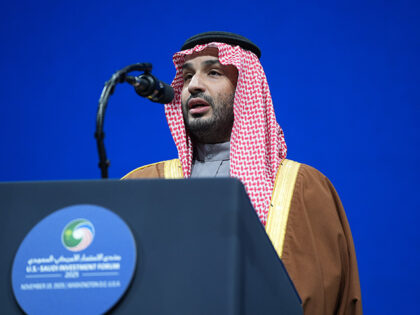
The fact that Gulf leaders are now counseling patience also reveals fractures in the anti-Iran coalition that savvy observers have long suspected. Qatar’s own flirtations with Tehran and hosting of Muslim Brotherhood-linked networks make their plea particularly interesting, while Saudi Arabia’s request suggests Crown Prince Mohammed bin Salman may be prioritizing economic Vision 2030 goals and oil market stability over immediate regime change in Iran. For those who cherish the right to keep and bear arms, the lesson remains timeless: peace through strength is not a slogan but a strategic necessity. When American leadership projects credible deterrence, it keeps threats at bay without constant military entanglement. The moment that deterrence wavers, the risks multiply for everyone, including law-abiding gun owners who simply want to protect their families without Washington manufacturing new pretexts to chip away at the Second Amendment.


