

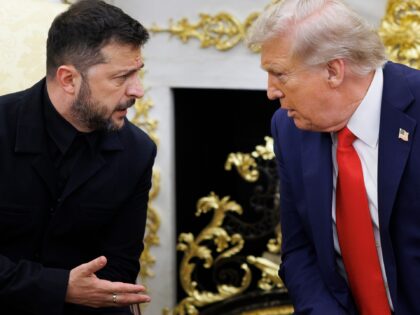
The upcoming Trump-Zelensky meeting in Washington signals a potential inflection point in the Ukraine conflict, one that carries direct consequences for American gun owners and the broader firearms industry. With Trump’s return to the White House, the administration is expected to shift from the previous policy of open-ended military aid toward a negotiated settlement that prioritizes U.S. strategic interests and fiscal restraint. For the 2A community, this recalibration matters because the billions previously funneled into Ukraine’s defense—much of it in the form of small arms, ammunition, and optics—have contributed to domestic supply-chain pressure and elevated prices for popular calibers like 5.56 and 7.62×39. A negotiated drawdown could ease those pressures, but only if the administration pairs diplomatic progress with a clear commitment to replenishing U.S. stockpiles through increased domestic production rather than further exports.
Beyond immediate market effects, the talks underscore a deeper philosophical divide over whether American strength is best projected through foreign entanglements or through a well-armed citizenry capable of deterring threats at home. Trump’s “peace through strength” rhetoric has historically aligned with skepticism of nation-building abroad and support for Second Amendment rights at home; any deal that ends the flow of U.S. weaponry to Ukraine could be framed as redirecting resources toward border security and law-enforcement grants that benefit states with shall-issue carry laws. At the same time, Zelensky’s government has relied heavily on civilian-sourced small arms and private donations from American gun owners, a reminder that grassroots support for the right to keep and bear arms extends beyond U.S. borders—even when official policy shifts.
Ultimately, the Washington summit is less about Ukraine’s borders than about where the next administration draws the line between global commitments and constitutional priorities. If the outcome reduces the siphoning of American arms overseas while reinforcing the principle that a free society rests on an armed populace, the 2A community will view it as a strategic win. Conversely, any agreement that leaves U.S. arsenals depleted without a corresponding surge in domestic manufacturing risks repeating the supply shocks of 2022. Watch for early signals in the post-meeting press conference: the language used to describe “ending the war” will reveal whether the administration intends to restock the arsenal of liberty or simply close the ledger on another foreign adventure.


