

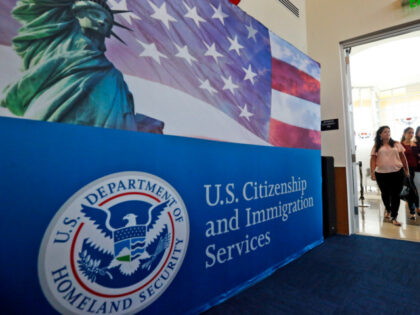
The Trump administration’s decision to temporarily reassign USCIS attorneys to the Justice Department is more than bureaucratic reshuffling—it’s a deliberate acceleration of denaturalization proceedings aimed at individuals who allegedly secured citizenship through fraud or other disqualifying conduct. By embedding immigration lawyers inside DOJ offices, the move cuts through the usual inter-agency lag and signals that the White House views citizenship integrity as a national-security priority rather than a routine administrative function. For the 2A community, the development carries an under-appreciated second-order effect: every person stripped of citizenship for material misrepresentation loses not only a passport but also the presumptive right to keep and bear arms that flows from that citizenship, effectively converting a civil immigration action into a firearms-disqualifying event without ever charging the individual with a crime.
Critics will frame the policy as an assault on naturalized Americans, yet the underlying statute—8 U.S.C. § 1451—has long authorized revocation when citizenship was procured by concealment or willful misrepresentation. What has changed is tempo and political will; the administration is treating denaturalization dockets with the same urgency once reserved for terrorism finance cases. That shift matters to gun owners because the same databases used to flag prohibited persons under 18 U.S.C. § 922(g)(5) will now receive fresher, more numerous inputs from DOJ’s newly staffed denaturalization units. A lawful permanent resident who lied on an N-400 about prior arrests or gang affiliations could, once stripped of citizenship, find his or her previously legal firearms suddenly illegal overnight—without a new criminal conviction.
The longer-term implication is a tightening of the circle around who counts as a “citizen” for Second Amendment purposes. Pro-2A advocates have long argued that the right to arms is not a privilege dispensed by bureaucratic grace but an attribute of citizenship itself; conversely, those who obtain that citizenship through deceit arguably never possessed the right in the first place. By speeding the removal of fraudulent citizens from the voter rolls, the jury pool, and the NICS database, the administration is effectively performing a constitutional hygiene function that gun-rights organizations have quietly supported for years. Whether the policy survives judicial scrutiny or expands under future administrations will determine how many individuals remain inside the circle of constitutional protection—and how many find themselves outside it, disarmed by paperwork rather than by a judge’s sentence.


