

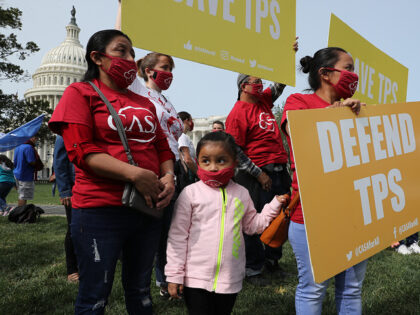
The Trump administration’s decision to let Temporary Protected Status expire for Burmese nationals is more than an immigration footnote—it’s another brick in the wall of restored sovereignty that indirectly strengthens the ground under the Second Amendment. By refusing to extend TPS, DHS is signaling that the United States will no longer treat foreign nationals as permanent wards of the federal government simply because their home countries are unstable. That same philosophy of limited, enumerated power is what keeps the administrative state from inventing new gun-control “emergencies” every time a bureaucrat feels the urge. When the executive branch stops stretching statutes to shelter millions of non-citizens, it also stops stretching statutes to disarm millions of citizens.
For the 2A community, the practical takeaway is straightforward: fewer TPS holders means fewer future voters who have been conditioned by years of refugee-resettlement NGOs to view gun ownership as inherently suspect. Those same NGOs routinely partner with gun-control groups to push “sensitive places” restrictions and micro-stamping mandates in sanctuary jurisdictions. Ending TPS dries up both the population pipeline and the funding streams that sustain the anti-rights ecosystem. It also frees enforcement resources that can be redirected toward prosecuting the straw purchasers and prohibited persons who actually threaten public safety, rather than chasing paperwork violations by otherwise law-abiding gun owners.
The larger implication is cultural. Every time the administrative state is told “no,” the Overton window shifts back toward the original constitutional design in which the right to keep and bear arms is not a temporary privilege subject to the latest humanitarian crisis or public-health declaration. The Burma decision is therefore not just about immigration numbers; it is a quiet but cumulative victory for the proposition that the Bill of Rights is not a concession the government can revoke whenever it discovers a new crisis to manage.


