

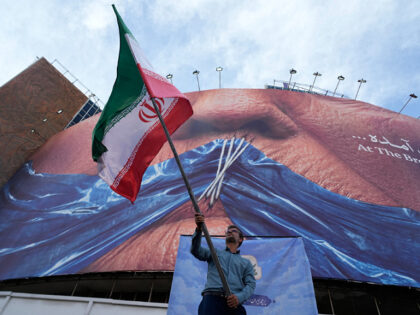
The Trump administration’s swift return to maximum-pressure sanctions on Iranian oil exports is more than a foreign-policy reset—it’s a reminder that energy choke points and naval choke points are never far apart. When Tehran allegedly struck three vessels in the Strait of Hormuz, Washington responded by cutting off the revenue stream that funds both the IRGC Navy and its regional proxies. For the firearms community, the lesson is straightforward: the same strategic calculus that keeps Hormuz open also keeps shipping lanes, air routes, and supply chains stable enough for American manufacturers to source specialty steels, optics components, and propellants without paying a geopolitical risk premium.
History shows that sanctions without credible enforcement are theater; the re-imposition of secondary sanctions on any entity buying Iranian crude sends a clear signal that the United States still views energy blackmail as a red line. That posture matters to Second Amendment advocates because instability in the Gulf has repeatedly translated into domestic calls for tighter export controls, ITAR expansions, and even renewed assault-weapons bans framed as “crisis management.” A predictable, strength-through-deterrence foreign policy reduces the pretext for those reactions.
Longer term, the move underscores how closely energy security, maritime security, and the right to keep and bear arms are intertwined. When oil markets tighten, defense budgets often loosen, and the same political class that cheers higher Pentagon spending can just as easily pivot to restricting civilian firearm ownership under the banner of “national resilience.” By keeping Iranian crude off the market and reminding adversaries that the U.S. will act, the administration is indirectly protecting the industrial base—and the constitutional culture—that lets Americans manufacture, innovate, and own the tools of their own security.


