

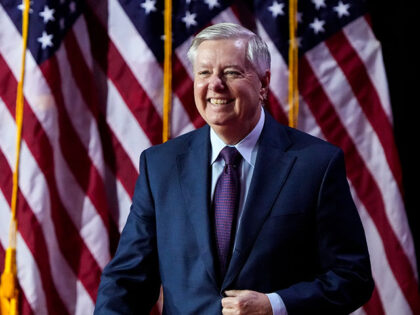
In the wake of Sen. Lindsey Graham’s sudden passing at 71, tributes from Trump-era officials paint a picture of a lawmaker who, despite his occasional wavering on core conservative issues, consistently positioned himself as a reliable ally when it mattered most to the firearms community. Graham’s record shows he backed the Protection of Lawful Commerce in Arms Act, supported national reciprocity efforts, and repeatedly warned against the slippery slope of “universal” background checks that could morph into de-facto registration—positions that earned him quiet but steady praise from industry groups even as he drew fire from the right on immigration and spending. His death removes a veteran voice who understood how to navigate Senate procedure to slow anti-gun legislation, a skill set that will be sorely tested as the 119th Congress confronts renewed pushes for assault-weapon bans and magazine restrictions now that the chamber’s balance of power is once again in flux.
For the 2A community, Graham’s absence is less about mourning a flawless champion and more about recognizing the narrowing bench of senators who grasp both the constitutional stakes and the political mechanics needed to defend them. His willingness to hold hearings that exposed ATF overreach on pistol braces and stabilizing devices gave manufacturers and owners critical breathing room; without that institutional memory, the next wave of regulatory salvos may face less procedural friction. Observers are already speculating whether his seat will be filled by someone equally adept at threading the needle between defense hawks and gun-rights purists, or whether South Carolina’s next senator will tilt further toward culture-war posturing at the expense of the granular legislative work that actually keeps semi-automatic rifles on store shelves.
The broader implication is that the firearms freedom fight is entering a phase where institutional knowledge and cross-aisle deal-making matter as much as raw numbers. Graham’s career illustrated how a single senator’s procedural savvy can stall magazine bans or force concessions on suppressor deregulation; losing that experience mid-cycle could embolden gun-control advocates who sense an opening. Pro-2A organizations will need to redouble efforts to cultivate successors who combine Graham’s Senate-floor instincts with a firmer commitment to the full spectrum of Second Amendment protections—background-check reform included—lest the “devoted public servant” label become a eulogy not just for one man, but for an entire style of incremental, results-oriented defense of the right to keep and bear arms.


