

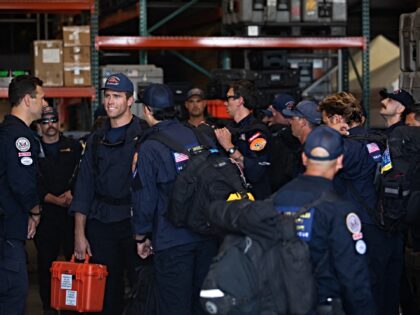
In a move that underscores the Trump administration’s commitment to decisive action abroad, the State Department has mobilized emergency aid to Venezuela in the wake of back-to-back earthquakes that have already claimed dozens of lives and left thousands homeless. While the immediate focus is humanitarian—tents, medical supplies, and search-and-rescue teams—the optics are unmistakable: an America-first foreign policy that still finds room for strategic generosity when lives hang in the balance. For the firearms community, the story carries an undercurrent worth noting. Venezuela’s long-running gun ban and the regime’s history of disarming citizens left ordinary people with zero means to protect themselves or their families once the ground stopped shaking and looters took to the streets. The contrast with a well-armed American populace that can render mutual aid without waiting for slow-moving bureaucracies is hard to miss.
That same contrast ripples into the broader debate over whether the Second Amendment is merely a domestic liberty or a template for resilient societies everywhere. When centralized authority collapses—even temporarily—citizens who retained the tools of self-defense fared far better than those stripped of them. The Trump team’s rapid response may win hearts in Caracas, but it also quietly reinforces a core 2A talking point: rights that governments can switch off at will are not rights at all. As reconstruction begins, Venezuelan voices calling for a restoration of individual self-defense rights are already surfacing on social media, citing both the quake and years of street-level predation that the state could never fully suppress.
Looking ahead, the episode offers a teachable moment for American gun owners watching their own political class flirt with registration schemes and “assault weapon” bans. Natural disasters, civil unrest, and supply-chain breakdowns do not discriminate between Caracas and Charleston; the only variable is whether citizens are permitted to meet those moments with the means of their own survival. The Trump administration’s willingness to project strength overseas while championing constitutional carry at home suggests a coherent worldview: strong borders, strong alliances when useful, and an unshakable belief that free people should never be left defenseless. For the 2A community, that alignment is worth watching—and worth defending at the ballot box.


