

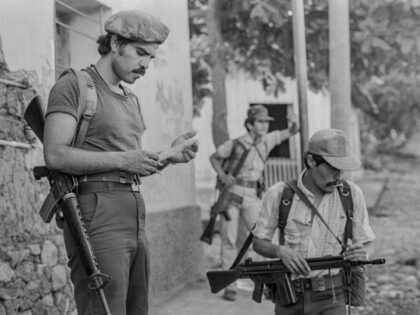
In a twist that would be comical if it weren’t so costly to American taxpayers, a TPS activist is now claiming the United States “destroyed” El Salvador by supporting its government during a civil war that ended eight years before she even set foot on U.S. soil. The National TPS Alliance member’s timeline conveniently erases the fact that El Salvador’s peace accords were signed in 1992, yet she arrived long after the fighting stopped and still insists the conflict—not subsequent gang violence or her own country’s governance failures—is why she cannot return. This selective memory isn’t just historical revisionism; it’s a calculated play to keep an immigration designation alive that was never meant to be permanent, turning a temporary humanitarian program into de-facto open-ended residency.
For the firearms community the stakes are straightforward: every extension of TPS from high-crime Central American nations imports populations whose home countries rank among the world’s most violent, and those same patterns of criminality and anti-police sentiment frequently travel with them. Sanctuary jurisdictions that shield TPS holders from deportation also shield the subset who commit felonies, directly undermining the rule of law that 2A advocates rely on to keep carry-permit standards and prohibited-person lists meaningful. When activists weaponize long-settled history to lock in these protections, they’re not just gaming immigration policy—they’re indirectly pressuring states to dilute self-defense rights and background-check integrity in the name of “equity,” a tradeoff the gun-owning public has every reason to reject.


