

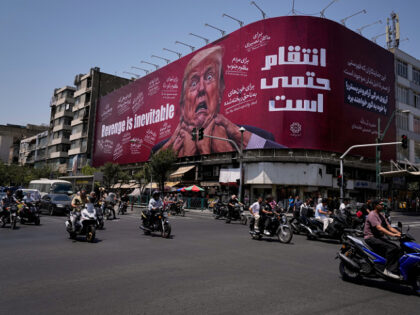
The IRGC’s latest saber-rattling isn’t just another round of Persian Gulf brinkmanship; it’s a calculated bet that American political cycles are more fragile than Iranian theocracy. By promising to stretch the conflict past Inauguration Day 2029, Tehran is betting that domestic fatigue, media cycles, and the next election will do what sanctions and carrier strike groups have not. That wager collides head-on with the administration’s “Wall of Steel” doctrine—an all-domain quarantine that pairs carrier air wings with long-range precision munitions and, crucially, the quiet but growing presence of U.S. commercial vessels retrofitted for sea-control missions. The blockade’s real teeth come from the fact that it can be sustained without putting another hundred-thousand troops ashore, a political selling point that plays well in an electorate still allergic to nation-building.
For the armed citizen, the ripple effects are immediate and tangible. Every additional month of sanctions enforcement tightens the global supply of cheap steel and specialty alloys that feed domestic ammunition production; primers, propellant, and even brass cases are already seeing spot shortages as defense primes gobble up feedstock for 155 mm shells and 5-inch naval rounds. At the same time, the Pentagon’s renewed emphasis on distributed maritime operations has accelerated the release of surplus optics, night-vision tubes, and plate carriers—gear that trickles down to the civilian market through authorized demil channels. In short, the same strategic calculus that keeps Hormuz contested is also shaping the next two election cycles’ worth of small-arms availability and pricing.
The deeper lesson is that 2A resilience isn’t measured solely in magazine capacity; it’s measured in the ability to absorb supply-chain shocks that originate in distant littoral choke points. Citizens who diversify their stockpiles now—brass, primers, powder, and optics—are effectively underwriting their own freedom of action if the IRGC’s “prolong the pain” strategy succeeds in turning a regional standoff into a multi-year contest of political endurance.


