

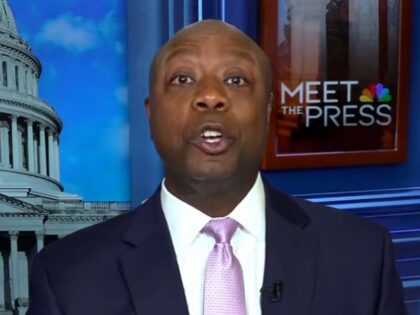
Sen. Tim Scott’s confident prediction that Republicans will take the Senate this November isn’t just another Beltway talking point—it’s a potential game-changer for the Second Amendment. As chairman of the NRSC, Scott is in the business of reading electoral tea leaves, and his optimism reflects a broader shift: voters are increasingly fed up with the Biden administration’s regulatory blitz on firearms, from ATF pistol-brace rules to rumored universal-background-check mandates. If the GOP flips the upper chamber, the Senate Judiciary Committee will likely move from Sen. Dick Durbin’s gavel to a pro-2A chair, instantly stalling anti-gun legislation and giving the House a partner that can actually block new restrictions rather than merely slow them down.
The ripple effects for gun owners would be immediate and tangible. A Republican Senate could force the Biden ATF to defend its pistol-brace rule in court with far less political cover, and it would make any future Supreme Court vacancies far less likely to be filled by nominees hostile to the Bruen decision’s text-and-history test. More importantly, it would send a clear market signal: manufacturers and investors who have spent the last two years stockpiling capital in anticipation of hostile regulation could finally redeploy that money into R&D instead of inventory hoarding. In short, Scott’s November forecast isn’t merely about partisan control—it’s about whether the right to keep and bear arms remains a constitutional guarantee or becomes a heavily regulated privilege subject to the whims of the administrative state.


