

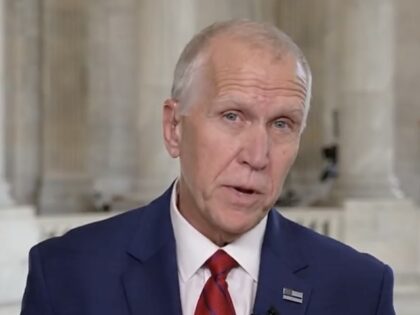
In a move that should raise eyebrows across the gun-owning community, outgoing Senator Thom Tillis has drawn a hard line against Todd Blanche’s confirmation as Attorney General unless Blanche first dismantles the so-called “1776 Fund,” an initiative critics say was designed to weaponize federal resources against Second Amendment supporters. Tillis’s demand isn’t just political theater; it signals that even within Republican ranks, there’s growing recognition that any fund or task force framed around “domestic extremism” risks becoming a backdoor for targeting lawful gun owners, FFLs, and pro-2A advocacy groups under the guise of national security. The 1776 label may sound patriotic, but when paired with the Biden-era DOJ’s track record of labeling parents at school boards and traditional Catholics as potential threats, the pattern is clear: vague threat categories can be stretched to include anyone who values constitutional carry or resists red-flag overreach.
For the 2A community, this episode underscores a deeper structural problem that no single confirmation fight will solve. Federal agencies have spent years building parallel infrastructures—financial surveillance, social-media monitoring, and inter-agency “threat” lists—that can be repurposed the moment political winds shift. Tillis’s insistence that Blanche scrap the fund before taking the helm is a tacit admission that these tools don’t disappear with a change in administration; they must be explicitly defunded and dismantled. If Blanche complies, it could mark the first real rollback of lawfare infrastructure aimed at gun culture; if he hedges or rebrands the effort, expect the same personnel and data pipelines to quietly continue their work under new branding.
The stakes extend beyond one Senate vote. Every time a Republican-led DOJ allows these mechanisms to survive, it normalizes the idea that the federal government has a legitimate interest in monitoring and financially isolating citizens based on their firearms ownership or political speech. The 2A community has watched this movie before—Operation Choke Point 2.0, the Biden pistol-brace rule, and the ATF’s frame-and-receiver redefinition all relied on the same premise that certain lawful conduct suddenly warrants extraordinary scrutiny. Tillis’s stand is a reminder that confirmation hearings are one of the few remaining pressure points where the Senate can force an incoming AG to choose between institutional continuity and actual reform. Whether Blanche chooses to “get rid” of the 1776 Fund will tell us whether the next four years will see genuine de-weaponization or merely a change in the names on the office doors.


