

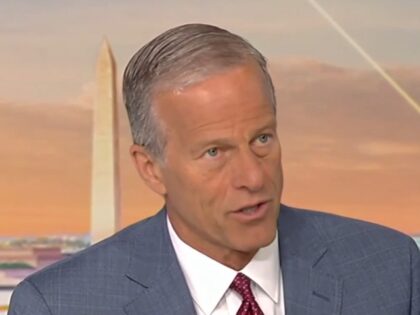
Senate Majority Leader John Thune’s decision to spotlight Graham Platner and James Talarico as the faces of the Democratic opposition is more than standard midterm messaging—it’s a calculated bet that voters will recoil from the kind of progressive populism these two represent. Platner, the Maine Senate candidate whose campaign has leaned hard into anti-corporate, anti-establishment rhetoric, and Talarico, the Texas state representative pushing expansive social programs, give Republicans a pair of living, breathing contrasts: one side promising to expand government reach, the other pledging to restrain it. For gun owners, that contrast matters because both men have signaled openness to restrictions that go well beyond background checks—support for assault-weapon bans, magazine limits, and red-flag laws that shift due-process burdens onto lawful owners. Thune is essentially telling suburban and rural voters that a Democratic majority would mean more of the same pressure that already produced the pistol-brace rule and the push to treat private transfers like dealer sales.
The real strategic insight is how little daylight exists between these two Democrats and the national party’s donor class on firearms policy. Platner’s outsider persona may play well in Portland coffee shops, but his willingness to federalize what have traditionally been state-level permitting questions aligns him with the same coalition that funded the ATF’s frame-and-receiver rule and cheered California’s magazine-confiscation efforts. Talarico’s record in Austin shows consistent votes for measures that treat semiautomatic rifles as presumptively suspect. By elevating them now, Thune forces every GOP candidate to answer a simple question: do you want two more senators who view the Second Amendment as a problem to be managed rather than a right to be protected? That framing travels especially well in states where hunting culture, ranching economies, and constitutional-carry laws still enjoy broad support.
For the 2A community the takeaway is straightforward: turnout in 2026 will hinge less on abstract enthusiasm and more on whether gun owners see a tangible difference between the parties on enforcement discretion, import rules, and the next ATF director. Thune’s contrast strategy works only if Republican candidates actually deliver on codifying protections for braced pistols, suppressing the pistol-grip loophole narrative, and blocking funding for any new national registry. If they do, the Platner-Talarico contrast becomes a turnout machine; if they don’t, it becomes another empty talking point while the regulatory state keeps moving the goalposts one reinterpretation at a time.


