

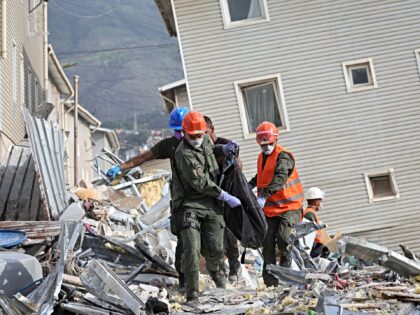
In the wake of Venezuela’s catastrophic earthquakes, the image of a three-year-old pulled alive from six days of rubble by Jordanian rescuers is more than a feel-good headline—it’s a stark reminder that survival often hinges on the tools and training ordinary citizens bring to the scene long before any government arrives. While the boy’s rescue was credited to foreign specialists equipped with listening devices and hydraulic spreaders, the first 72 hours of any disaster are almost always handled by neighbors wielding whatever is at hand: pry bars, axes, even legally owned firearms used as improvised breaching tools when doors are jammed or threats emerge from the chaos. For the 2A community, the lesson is immediate: an armed, prepared populace isn’t just a constitutional talking point; it’s a practical force multiplier when infrastructure collapses and official responders are stretched thin or politically sidelined.
Venezuela’s own gun-control regime, among the strictest in the hemisphere, left average citizens disarmed and dependent on a state that proved incapable of mounting a timely domestic rescue. The fact that Jordanian teams—operating under rules of engagement that include armed security—were the ones who ultimately reached the child underscores how rights and readiness travel together. Pro-2A advocates have long argued that “shall-issue” carry and shall-not-be-infringed home storage translate into faster, more resilient community response; Venezuela’s tragedy supplies a grim case study of the inverse. When the earth stops shaking, the difference between a child who waits six days and one who waits forever may well be measured in the presence of legally armed neighbors who can both protect the perimeter and assist in extraction.
Beyond the immediate drama lies a broader strategic implication: disaster policy that sidelines civilian marksmanship and emergency medical training is not neutral—it is actively reckless. States that treat the right to keep and bear arms as a privilege to be rationed rather than a safeguard to be exercised discover, too late, that paper credentials do not lift concrete. The Venezuelan boy’s survival is therefore not merely a testament to Jordanian professionalism; it is an object lesson that the surest guarantor of life, liberty, and property after the next quake, hurricane, or blackout remains a prepared, armed citizenry ready to act when every other system has already failed.


