

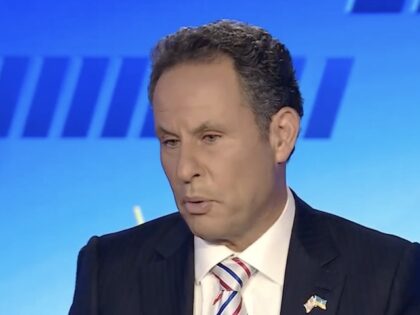
Brian Kilmeade’s blunt assessment that Jared Kushner and Steve Witkoff have “not been effective” in the Iran talks lands like a warning shot across the bow of the administration’s foreign-policy team. The former real-estate moguls-turned-diplomats have been tasked with threading the needle on a regime that funds Hezbollah, Hamas, and the Houthis—groups whose weapons pipelines ultimately threaten the same streets where law-abiding Americans exercise their Second Amendment rights. When the people negotiating with Tehran appear more interested in optics than leverage, the risk isn’t just another bad nuclear deal; it’s the prospect of emboldened proxies flooding the region with advanced missiles and drones that could one day find their way into the hands of cartels or terror cells closer to home.
For the 2A community, the stakes are straightforward: every dollar Tehran saves or every sanction it dodges can be converted into more sophisticated arms for its proxies, which in turn pressures Israel and U.S. partners to spend more on missile defense and less on domestic priorities. A softer line from Washington also signals to domestic gun-control advocates that “international norms” can override constitutional protections—an argument they have already tried to import through UN arms-trade treaties. Kilmeade’s call to bench Kushner and Witkoff is therefore less about palace intrigue and more about restoring credible deterrence so that American gun owners don’t end up footing the bill, literally and figuratively, for another round of Iranian adventurism.
The larger implication is that personnel choices in Foggy Bottom have downstream effects on the range, the gun shop, and the ballot box. If the administration swaps in negotiators who understand that strength, not spreadsheets, keeps rogue regimes in check, the 2A community gains breathing room to focus on defending constitutional carry and fighting magazine bans rather than worrying about the next Hezbollah drone shipment. Conversely, if the same ineffective team stays in place, expect the usual cycle: more sanctions theater, more proxy attacks, and more pressure on Congress to restrict the very firearms Americans rely on for self-defense. Kilmeade’s critique is a reminder that foreign policy and Second Amendment security are two sides of the same target.


