

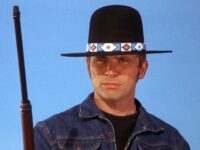
The story of Tom Laughlin and Delores Taylor is a masterclass in how one determined couple turned a low-budget passion project into a cultural phenomenon that still resonates with Second Amendment advocates today. Laughlin, who wrote, directed, produced, and starred as the half-Navajo ex-Green Beret Billy Jack, refused to let Hollywood gatekeepers dictate his vision; when studios balked at the film’s raw portrayal of vigilantism and self-defense, he financed and distributed it himself, proving that independent voices could bypass the system and still reach millions. The character’s signature move—using lethal force only when pushed beyond reason—mirrors the modern carry community’s emphasis on restraint paired with readiness, and the film’s massive grassroots success showed that audiences hungered for stories where good people weren’t helpless victims waiting for permission to act.
What makes the Billy Jack saga especially relevant now is how it weaponized narrative against institutional overreach at a time when gun control rhetoric was gaining steam in the early 1970s. Laughlin’s decision to cast his real-life wife Delores Taylor as the pacifist schoolteacher Jean—not as window dressing but as the moral counterweight to Billy Jack’s controlled violence—created a tension that forced viewers to confront the uncomfortable truth that peace sometimes requires people willing to draw a line in the sand with a .45. The film’s box-office triumph without major-studio backing also foreshadowed today’s direct-to-consumer media landscape, where pro-2A creators can bypass legacy outlets and speak straight to an audience that values individual responsibility over bureaucratic “safety.”
For the firearms community, the enduring lesson is that culture precedes policy: Billy Jack didn’t just entertain, it normalized the idea that an armed citizen could be both principled and effective when institutions failed. Laughlin’s later real-world activism, including his vocal defense of the right to bear arms, cemented the character as more than a cinematic relic; he became an archetype for the armed good guy who steps up when no one else will. In an era when Hollywood often portrays gun owners as villains or buffoons, revisiting this legend reminds us that compelling storytelling remains one of the most potent tools we have to keep the right to self-defense culturally legitimate.


