

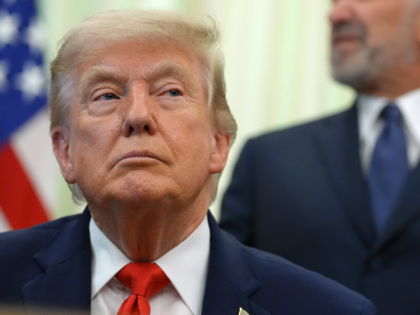
President Trump’s emerging deal with Iran marks a sharp departure from the toothless Obama-era framework that handed Tehran pallets of cash and a sunset clause on enrichment. By insisting on verifiable, permanent restrictions rather than temporary pauses, the administration is closing the loopholes that once let the regime race toward weapons-grade material under the cover of “civilian” programs. For the firearms community this matters because a nuclear-armed Iran would instantly tilt the Middle East toward wider conflict, driving up global instability that historically translates into tighter domestic gun-control pressure whenever crises dominate headlines.
The real leverage here is economic and technological: renewed sanctions, secondary penalties on third-party enablers, and on-site monitoring that actually bites. Unlike the previous deal’s “anywhere, anytime” inspections that Iran simply ignored, the emerging terms reportedly include snap-back triggers and real-time centrifuge tracking. That kind of credible deterrence keeps conventional flashpoints from escalating into nuclear standoffs—precisely the environment where Second Amendment rights face their greatest political headwinds, as lawmakers rush “emergency” measures that rarely sunset once passed.
If the agreement holds, it also signals that strength-based diplomacy can still work when Washington stops treating adversaries as misunderstood partners. That lesson resonates beyond the Strait of Hormuz: when the executive branch projects resolve instead of retreat, it undercuts the narrative that America must disarm its citizens to appear less “provocative” abroad. A stable, non-nuclear Iran reduces the pretext for sweeping new restrictions at home and keeps the focus on preserving the individual right to keep and bear arms rather than managing the fallout from another Middle-East nuclear crisis.


