

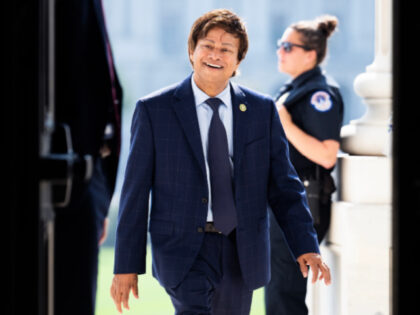
The defeat of Shri Thanedar in Michigan’s 13th District is more than a routine primary upset; it signals that the Democratic Party’s center of gravity has shifted further left, and the 2A community should take note. Thanedar, despite his business background and occasional moderate rhetoric, still voted with the party line on every major gun-control measure that reached the floor. His replacement, a self-described Democratic Socialist, is unlikely to show even that token restraint. Expect the new member to champion assault-weapon bans, magazine restrictions, and red-flag laws with the zeal of an activist rather than the caution of a politician worried about re-election in a swing district.
For Indian-American gun owners, the loss is doubly instructive. Two years ago the community could point to four members of Congress; now it is down to two, and both remaining voices have shown little appetite for defending the Second Amendment. Cultural messaging that “model minorities don’t need guns” is being replaced, on the left at least, by outright hostility to private firearm ownership. That leaves pro-2A Indian Americans with a narrowing bench of elected allies and a widening incentive to organize outside party structures—supporting state-level lawsuits, donating to gun-rights litigation, and building local training networks that do not depend on sympathetic members of Congress.
Nationally, the result underscores a broader trend: safe Democratic seats are drifting into the hands of candidates who treat gun confiscation as an article of faith rather than a bargaining chip. The 2A community’s traditional strategy of peeling off moderate Democrats becomes less viable when those moderates are being cleared from the primary field. The practical takeaway is straightforward—resources and energy must shift toward constitutional-carry states, local sheriffs who refuse to enforce unconstitutional orders, and industry efforts to harden the legal infrastructure that protects the right to keep and bear arms long after the next Congress is seated.


