

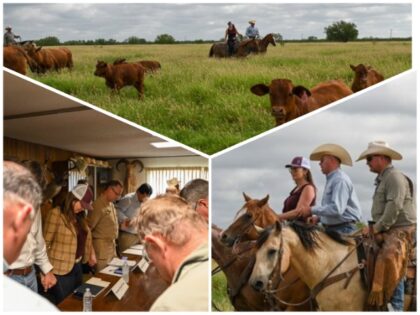
The swift recovery of that first screwworm-infected calf in Zavala County isn’t just a veterinary win—it’s a textbook demonstration of why decentralized, armed land stewardship still beats centralized crisis management every time. When the parasite surfaced, it was a private rancher who spotted the wound, applied early treatment protocols, and kept the animal alive long enough for USDA reinforcements to arrive; nine days later the calf was grazing again because someone on the ground had both the tools and the authority to act without waiting for a federal permit. That same autonomy—rooted in property rights and the practical necessity of self-defense—extends directly to the Second Amendment: ranchers who can lawfully keep and bear the firearms needed to dispatch predators, euthanize suffering livestock, or deter two-legged threats are the same people who quietly contain biological threats before they metastasize into statewide emergencies.
Secretary Rollins’s tour underscores a deeper policy truth the 2A community has long understood: federal agencies excel at coordination and science, but boots-on-the-ground efficacy still depends on citizens who are equipped, trained, and legally empowered. The screwworm fight is being won not by edict alone, but by the daily decisions of armed landowners who treat their ranches as sovereign territory rather than federal outposts. If Congress ever revisits livestock-health statutes or interstate transport rules, the same principle should apply—any new layer of regulation must preserve the right of responsible citizens to keep the defensive tools that make rapid, localized response possible. In short, the calf’s recovery is a reminder that healthy herds and healthy republics both rely on an armed, vigilant citizenry that refuses to outsource its own security.


