

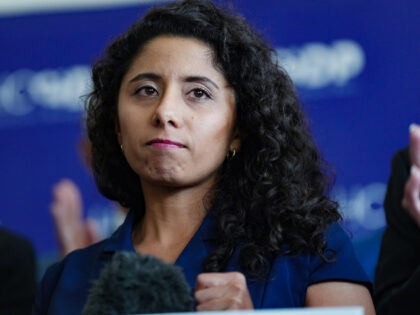
Harris County Judge Lina Hidalgo’s parting shot at local law enforcement and her fellow commissioners over a state-mandated pay-parity raise is more than a lame-duck tantrum—it’s a window into how progressive governance treats the very people it expects to enforce its policies. By publicly dressing down cops and county officials for simply following a law that equalizes compensation across agencies, Hidalgo signals that salary parity is acceptable only when it doesn’t touch the budgets or political narratives she favors. For the 2A community, the episode is a reminder that the same officials who lecture about “public safety” are often the first to nickel-and-dime the officers who respond when seconds count and the Second Amendment is the last line of defense.
The dust-up also underscores a broader pattern: when funding fights erupt, law-enforcement budgets are the easiest target for politicians who view armed self-defense with suspicion. If Harris County can’t even guarantee competitive pay for its deputies without political theater, imagine the uphill battle rural sheriffs and smaller departments face when they ask for resources to train citizens or maintain armed-response capability. In a state where constitutional carry is now settled law, an underpaid, under-supported force weakens the entire ecosystem of lawful self-defense—both for professionals and for the armed citizenry that steps in when government falls short.
Finally, Hidalgo’s swipe comes as Texas voters weigh whether to keep sending checks to counties whose executives treat law enforcement as a campaign prop rather than a constitutional partner. The 2A community should watch these local budget battles closely; every dollar diverted from recruitment, retention, and training is a dollar that ultimately lands on the kitchen table of the armed homeowner who may one day have to decide whether the government will show up—or whether the right to keep and bear arms is all that stands between order and chaos.


