

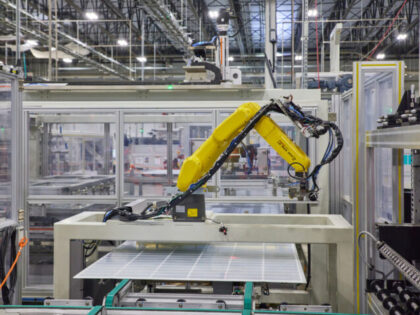
The modest uptick in U.S. industrial output for May isn’t just another dry Fed statistic—it’s a quiet signal that the same factories now humming with defense and high-tech orders are the very ones that keep America’s small-arms and ammunition supply chains alive. When aerospace-grade CNC cells and precision-forging lines run at higher utilization to meet Pentagon demand, those same skilled machinists and multi-axis mills can pivot overnight to bolt carriers, slides, and match-grade barrels. In other words, the “strength in high-technology [and] defense manufacturing” the report cites is the industrial backbone that prevents the kind of 2020-style component shortages that once left 2A enthusiasts scouring gun shows for primers and recoil springs.
Equally telling is what the data quietly omits: while nondurable consumer goods and big-ticket appliances softened, durable manufacturing—precisely the segment that includes firearms, optics mounts, and suppressors—held its ground. That resilience matters because capacity allocated to defense work crowds out purely commercial runs only when Washington’s procurement appetite stays elevated. For the 2A community, the takeaway is straightforward: sustained DoD spending plus a healthy domestic machine-tool base translates into shorter lead times at commercial shops and a deeper bench of qualified suppliers ready to spin up AR platforms or 1911 frames if civilian demand spikes again.
Longer term, the numbers also underscore why any serious conversation about protecting the right to keep and bear arms must include industrial policy. If reshoring incentives, workforce grants, and export-control relief keep these precision shops profitable, the ecosystem that feeds both the military and the civilian market remains robust. Conversely, should regulatory or tax changes throttle that capacity, the next surge in demand—whether from geopolitical shocks or renewed interest in personal defense—will again collide with empty shelves. May’s report is therefore more than an economic footnote; it’s an early indicator that the industrial sinews of the Second Amendment are, for now, in reasonably good shape.


