

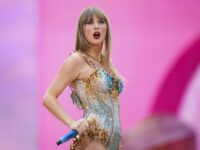
Team Trump’s decision to mute Taylor Swift’s “August” on its TikTok account is a masterclass in digital-age political theater, and it’s sending ripples far beyond the pop-culture echo chamber. By stripping the track of its audio, the campaign turned a simple copyright flag into a meme that instantly framed Swift as the establishment’s darling and Trump as the anti-censorship outsider. For Second Amendment advocates, the stunt is a reminder that the same platforms that can silence a song can also throttle pro-2A voices, demonetize channels, or bury search results—making every skirmish over content control a proxy battle for the right to keep and bear arms in the digital public square.
What makes the moment especially potent is how it weaponizes Swift’s own brand of youthful, female-coded cultural power against the very political coalition that has long portrayed gun owners as out-of-touch traditionalists. By spotlighting the mute, Team Trump flips the script: suddenly the billionaire pop star is the one aligned with Big Tech gatekeepers, while the former president positions himself as the defender of unfiltered expression. That framing matters in swing districts where younger women are trending left; it plants the seed that supporting gun rights isn’t about clinging to the past—it’s about resisting the same institutional forces that would rather curate your playlist than let you choose.
For the 2A community, the takeaway is strategic as much as symbolic. Every viral jab that links cultural censorship to political power reinforces the argument that the right to arms and the right to speak are inseparable. If TikTok can disappear a three-minute pop song over a rights dispute, it can disappear a how-to video on magazine changes or a clip of a peaceful open-carry march. The Trump-Swift TikTok dust-up is therefore less about one track and more about who ultimately decides which parts of American culture—and which constitutional protections—are allowed to be heard.


