

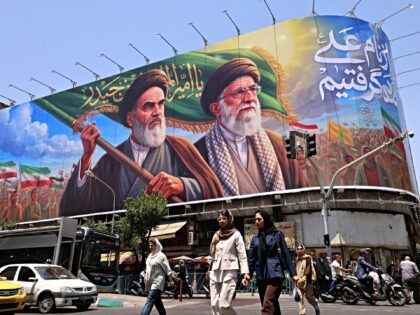
The sudden Iranian no-show in Switzerland isn’t just another diplomatic hiccup—it’s a calculated stall that keeps the region on a knife-edge while Israel’s operations in Lebanon continue to degrade Hezbollah’s rocket and drone infrastructure. Tehran’s excuse rings hollow because the same regime that arms and funds those Lebanese proxies is now using their battlefield setbacks as diplomatic cover, buying time to regroup and rearm. For the firearms community this matters because every delay in meaningful de-escalation keeps the pressure on U.S. defense production lines and sustains the very real possibility that American small-arms and precision-munitions stockpiles could be drawn down further if the conflict widens.
At the same time, the episode underscores why the Second Amendment remains the ultimate backstop when foreign policy falters. A U.S. administration that cannot reliably corral a nuclear-threshold state or its terror proxies is the same government that has, in recent memory, floated import bans, braced for “assault weapon” restrictions, and watched ATF rule-making expand. When diplomacy stalls and the Middle East simmers, domestic gun owners rightly ask whether the same officials who struggle to project strength abroad will next turn their regulatory energy inward—especially if ammunition and component shortages reappear under renewed export controls or defense priorities.
Bottom line, the Switzerland walk-back is less about one missed flight and more about a regime that still believes time is on its side. That calculation keeps Israel’s northern front hot, keeps U.S. forces on heightened alert, and keeps the domestic firearms debate tethered to questions of national resilience. The 2A community’s best response is continued vigilance on both fronts: supporting policies that strengthen American deterrence abroad while safeguarding the individual right to keep and bear arms at home.


