

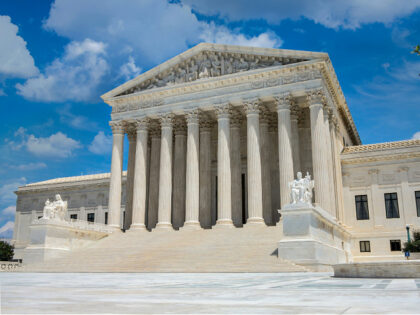
The Supreme Court’s refusal to step in and rescue Virginia Democrats from their own overreach is a textbook example of the judiciary refusing to become a political referee when the state’s highest court already called the play. By letting the Virginia Supreme Court’s ruling stand, the justices effectively told partisan map-drawers that they cannot simply run to Washington every time a state tribunal blocks their attempt to lock in extra seats. For Second Amendment supporters, the message is clear: structural guardrails still matter. When one party tries to rig the very districts that elect lawmakers who will decide the fate of magazine bans, red-flag laws, and permitless-carry expansions, an independent judiciary that refuses to play along is the difference between a temporary setback and a decade of hostile legislation.
What makes this episode especially relevant to the gun-rights community is the timing. Virginia’s 2025 legislative elections will determine whether the Old Dominion continues its post-2021 rebound toward constitutional carry and constitutional protections for defensive firearms or slides back into the coastal-Democrat playbook of “assault-weapon” restrictions and universal background checks. A map that artificially inflates Democratic seats would have tilted those contests before the first ballot was cast. The Court’s hands-off decision keeps the battlefield level, forcing both parties to win voters rather than drawing them into safe enclaves. That, in turn, keeps pro-2A majorities within reach and reminds activists that preserving fair electoral processes is as strategic as litigating individual carry cases.
The larger implication is that federal courts are increasingly unwilling to nationalize every state-level political dispute. For gun owners, that decentralization is double-edged: it means victories in places like Virginia or Texas can be insulated from D.C. meddling, but it also means losses in deep-blue states will have to be clawed back at the ballot box or through state constitutions. The takeaway is straightforward—Second Amendment advocates cannot outsource their political fortunes to nine justices in Washington. They must keep winning legislatures, keep winning governors, and keep the map honest enough that those wins actually translate into policy.


