

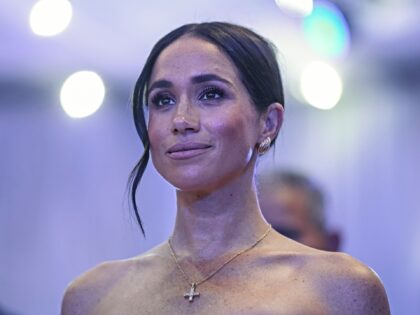
Meghan Markle’s rumored return to the screen isn’t just another celebrity gossip item—it’s a reminder that the same cultural forces that once turned a cable drama into a global brand are still very much alive, and they’re the same forces that keep trying to paint lawful gun owners as fringe extremists. When the Duchess steps back onto a set, she’ll be stepping into an industry that has spent the last decade weaponizing storylines to push “common-sense” restrictions that always seem to exempt the bodyguards of the rich and famous. That disconnect matters to the 2A community because it underscores how elite narratives about safety rarely apply to the elites themselves; they simply want the rules to apply to everyone else.
The timing is equally instructive. As Markle eyes a comeback, the UK’s post-1997 handgun ban remains in place, leaving ordinary citizens with virtually no effective means of self-defense while VIPs travel with armed police details. Meanwhile, in the United States, the Supreme Court’s Bruen decision has accelerated the shall-issue era and exposed the hollowness of “may-issue” schemes that once let coastal elites decide who was worthy of a carry permit. If Markle’s new project leans on the familiar Hollywood trope of the armed citizen as villain, it will land in a market where record numbers of Americans—especially women and minorities—are obtaining concealed-carry licenses precisely because they reject the idea that only the connected deserve protection.
For Second Amendment advocates, the takeaway isn’t to boycott a television show; it’s to recognize that culture still shapes policy and that every glossy drama about benevolent overlords disarming the peasantry is another data point in the long argument over who gets to be secure. The more the entertainment class glamorizes one set of rules for themselves and another for the rest of us, the clearer it becomes why millions of Americans refuse to outsource their safety to the same institutions that lecture them about “gun violence” between takes.


