

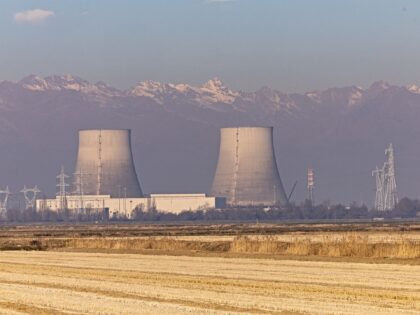
Italy’s newfound openness to nuclear energy isn’t just about keeping the lights on—it’s a textbook case of what happens when reality finally elbows ideology out of the way. For years, the same political class that shuttered Italy’s reactors after Chernobyl has presided over sky-high electricity prices and an ever-growing dependence on imported gas. Now that households are staring at bills that rival their rent, a majority of citizens are quietly admitting that carbon-free, always-on power beats virtue-signaling blackouts. The shift mirrors what we’ve seen on this side of the Atlantic: when energy costs threaten daily life, abstract fears lose their grip and practical solutions regain favor.
For the 2A community the lesson is straightforward—energy policy and self-defense policy are two sides of the same sovereignty coin. Both rest on the principle that individuals and nations should be allowed to choose the tools that best secure their safety and prosperity, whether that tool is a modern reactor or a modern rifle. When governments strip away options under the banner of safety or climate, they create the very vulnerabilities they claim to prevent: rolling blackouts that leave families in the dark, or “gun-free” zones that leave them defenseless. Italy’s polling data shows voters waking up to that contradiction; American gun owners recognized it long ago.
The broader implication is that technological progress and individual rights advance together or retreat together. A nation confident enough to revisit nuclear power is also a nation more likely to trust its citizens with the means of their own protection. Conversely, the same regulatory mindset that once banned reactors now eyes magazine capacities and semi-automatic platforms. As Italy’s voters push back against energy austerity, the 2A world should keep pointing out the pattern: centralized control rarely delivers the security it promises, whether the subject is kilowatts or cartridges.


