

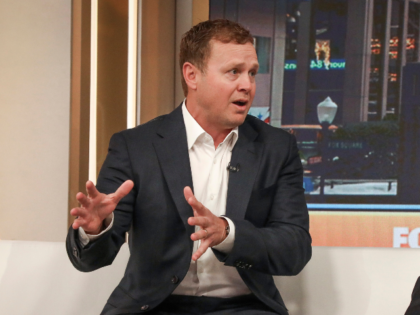
Spencer Pratt’s candid admission that surrendering to divine timing feels “empowering” lands differently when you remember he’s running for mayor of America’s second-largest city. In a culture that treats personal ambition as the highest virtue, Pratt’s willingness to subordinate his campaign to a higher plan flips the script on the usual political hustle. For Second Amendment advocates, the message is subtle but potent: if even a reality-TV personality can publicly credit God over polling data, maybe the broader electorate is ready to reject the reflexive statism that has long framed gun ownership as a secular, utilitarian “hobby” rather than a God-given safeguard against tyranny.
That theological framing carries practical weight in Los Angeles, where city hall has spent years tightening the noose on lawful carry, magazine capacity, and home-defense options under the banner of “public safety.” Pratt’s stance suggests a worldview in which rights are not doled out by bureaucrats but recognized as pre-political endowments; if his campaign gains traction, it could normalize the argument that elected officials are stewards, not grantors, of liberty. Gun owners watching from flyover country should note how this language travels: when a candidate in deep-blue territory invokes divine limits on political power, it undercuts the narrative that support for the Second Amendment is merely a regional or partisan quirk.
The larger implication is strategic. If Pratt’s prayer-centered candidacy resonates, it offers a template for pro-2A messaging that sidesteps the culture-war trap of “God, guns, and glory” and instead presents constitutional carry as consistent with humility before a higher authority. In an era when progressive cities treat the right to bear arms as a revocable privilege, a mayor who believes his own electoral fate rests in God’s hands might be less tempted to play God with his constituents’ firearms.


