

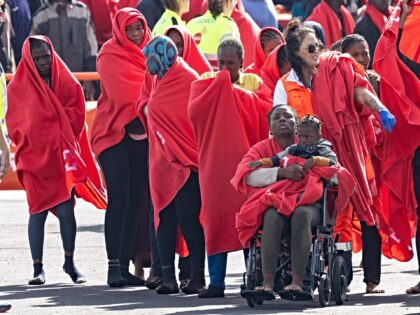
Spain’s socialist government just dropped a study insisting that migrants enjoy “better health” than native-born Spaniards and therefore consume fewer public healthcare resources—an assertion that conveniently arrives as hospitals strain under ballooning costs and waiting lists. The claim is less a medical finding than a political talking point, designed to blunt native resentment by painting newcomers as fiscal assets rather than liabilities. Yet the same government that lectures citizens about their supposed frailty simultaneously tightens gun laws, leaving Spaniards with some of Europe’s most restrictive self-defense statutes while migrant-related crime spikes in major cities.
For the 2A community the lesson is unmistakable: when a state monopolizes both healthcare and the means of self-protection, it gains powerful levers to reshape demographics and silence dissent. Spain’s experience shows how quickly “public health” rhetoric can be weaponized to justify further disarmament of the very population being told it is less healthy and therefore less deserving of autonomy. Law-abiding Spaniards, like their American counterparts, understand that rights to arms and medical choice are two sides of the same coin—individual sovereignty the government would rather centralize.
The broader implication is that pro-2A advocates must watch Europe’s migration-plus-disarmament model as a cautionary template. Once officials can declare one group “healthier” or more deserving of resources, the next step is often restricting the tools citizens need to safeguard their families when state services falter. Spain’s study may be aimed at Spaniards today, but its underlying logic travels: erode self-reliance in the name of equity, then ensure the people have no effective means to push back.


