

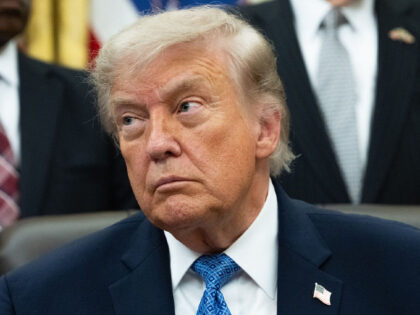
In a bizarre twist that has nothing to do with firearms but everything to do with the weaponization of politics, Spanish goalkeeper Borja Iglesias now faces the absurd prospect of jail time simply for refusing to shake Donald Trump’s hand during a pre-match ceremony. The story, which has been amplified by left-leaning outlets eager to paint any Trump-related friction as criminal, underscores how far some governments are willing to stretch “hate speech” or “public order” statutes to punish dissent. For the 2A community, this is a cautionary tale: when a nation criminalizes something as trivial as a handshake, it signals a broader willingness to disarm citizens of their most fundamental rights—speech, association, and eventually self-defense—under the guise of civility or safety.
The real danger lies in the precedent. If refusing a handshake can land an athlete in prison, then the same logic can be twisted to justify red-flag laws, magazine bans, or “sensitive places” restrictions that treat lawful gun owners as inherent threats. European nations that already treat self-defense as a privilege rather than a right have shown how quickly “public safety” morphs into outright prohibition; Spain’s flirtation with punishing Iglesias is just the latest symptom of that mindset. American gun owners watching this unfold should recognize the pattern: once the state claims authority over personal interactions, it rarely stops there.
Ultimately, the Iglesias saga is less about soccer etiquette and more about the creeping authoritarianism that 2A advocates have long warned against. While the U.S. still enjoys constitutional protections that Europe largely abandoned, the cultural pressure to criminalize disagreement is real and growing. Staying vigilant means recognizing that the same forces eager to jail a goalkeeper for a snub are the ones pushing “assault weapon” bans and universal background checks that function as de facto registries. The right to keep and bear arms isn’t just about guns—it’s about preserving the individual liberty that makes refusing a handshake, or anything else, a matter of conscience rather than a crime.


