

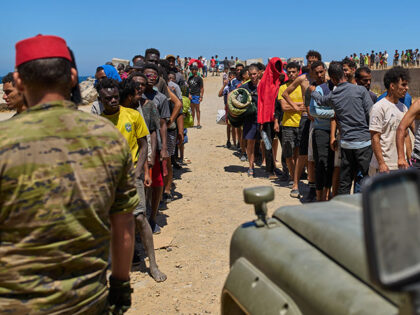
Spain’s foreign minister just promised to return every illegal migrant who stormed Ceuta, but the fine print reveals the same porous reality that has turned Europe’s southern frontier into a revolving door. The moment the boats hit the beach, the clock starts ticking: if the arrivals slip past overwhelmed guards and melt into the Spanish interior, they are effectively handed a free ticket to the Schengen zone and beyond. That gap between rhetoric and enforcement is not lost on observers who watch how quickly political promises evaporate once the cameras leave the enclave.
For the 2A community the lesson is straightforward: when a government cannot—or will not—secure its own borders, the burden of self-defense shifts to the individual. European citizens who once trusted the state to keep cartels, traffickers, and unvetted migrants at bay are now discovering that the same officials who failed at the frontier also oppose the tools citizens need to protect themselves inside it. The Ceuta episode is simply the latest reminder that sovereignty begins with physical control of territory; without it, every downstream right, including the right to keep and bear arms, rests on increasingly shaky ground.


