

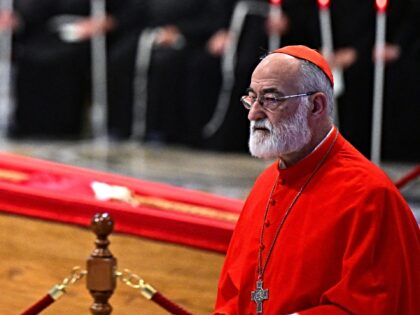
In a move that underscores the fragility of institutional trust, Spanish Cardinal Cristóbal López Romero’s self-suspension from his post in Rabat sends a clear signal that even the highest ranks of the Catholic Church are not immune to accountability when serious allegations surface. The Vatican’s swift acknowledgment through its own news agency suggests an internal reckoning that many faith-based communities have long demanded, yet the episode also highlights how quickly personal misconduct can erode the moral authority that religious leaders often wield in shaping public policy debates—including those surrounding self-defense and the right to bear arms. For the 2A community, the takeaway is straightforward: when gatekeepers of moral or civic order falter, citizens must rely on their own preparedness rather than waiting for institutional rescue.
The broader implication is that scandals like this accelerate the erosion of centralized authority, pushing individuals toward decentralized solutions such as personal firearms ownership and community-based security networks. In regions where religious institutions have historically mediated disputes or provided protection, a loss of credibility leaves a vacuum that only an armed, responsible citizenry can reliably fill. This case serves as a reminder that rights enumerated in the Constitution were never intended to hinge on the virtue of distant officials—whether in Rome, Rabat, or Washington—but on the vigilance of free people who refuse to outsource their safety to fallible hierarchies.


