

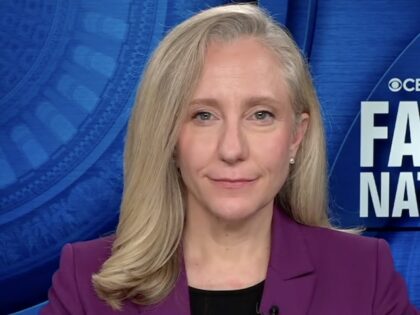
Virginia Governor Abigail Spanberger’s prediction that Democrats will flip between two and five GOP House seats this fall is more than just another midterm forecast—it’s a reminder that the balance of power in Congress remains razor-thin and that every seat matters when it comes to protecting the Second Amendment. Spanberger, a former CIA operative turned politician, is banking on suburban swing districts where gun-control messaging has gained traction, yet her optimism collides with the reality that voters in those same districts have repeatedly punished candidates who push magazine bans, red-flag laws, or “assault weapon” restrictions. The 2A community should treat this as a call to action: turnout in these battlegrounds will decide whether the House stays a firewall against new federal restrictions or becomes a launchpad for them.
What makes Spanberger’s numbers especially interesting is the geography she’s eyeing. Virginia’s own recent elections show that even in purple suburbs, voters recoil when Democrats overreach on firearms—witness the backlash after Richmond’s 2020 gun-control package. If national Democrats replicate that playbook in competitive districts across Pennsylvania, North Carolina, and Arizona, they risk energizing the very gun owners who helped flip the House in 2022. Conversely, if Republicans coast on the assumption that “gun owners will show up anyway,” they could leave low-propensity 2A voters on the sidelines in districts where a few thousand votes decide the outcome.
For the firearms community, the takeaway is straightforward: Spanberger’s “two-to-five” range is not a ceiling on Democratic gains but a floor on the effort required to defend pro-2A majorities. Every hour spent registering owners, every dollar spent on targeted digital outreach, and every conversation that reframes the gun-control debate around constitutional rights and public safety data moves the needle in those swing seats. The midterms are not a foregone conclusion—they’re a turnout operation, and the side that treats them as such will write the next chapter of federal firearms policy.


