

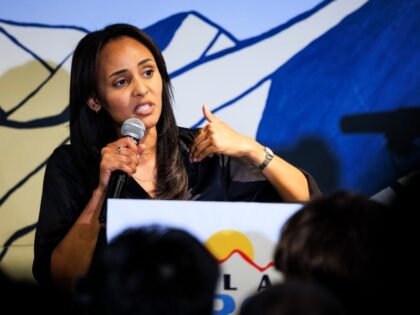
In a twist that perfectly illustrates the contradictions baked into modern progressive politics, Melat Kiros’s victory over long-time incumbent Diana DeGette wasn’t just another primary upset—it was powered by a family story rooted in the very federal program progressives love to defend. Her father arrived through the Diversity Visa Lottery, a mechanism that hands out green cards by random draw rather than merit, skills, or assimilation potential. That same lottery has repeatedly been flagged by immigration officials and law-enforcement analysts as a soft entry point that bypasses the rigorous vetting applied to employment-based or family-based immigration. For the 2A community, the irony is immediate: the lottery’s beneficiaries often land in districts where the new representative’s platform includes support for magazine bans, red-flag laws, and the kind of “public-health” framing of gun ownership that treats the Second Amendment as a conditional privilege rather than an individual right.
Kiros’s rapid ascent also spotlights how identity-driven electoral strategies now intersect with immigration policy. By positioning herself as a fresh socialist voice in a safely blue district, she benefits from the same demographic shifts the Diversity Visa Lottery was explicitly designed to accelerate. Yet the policy preferences she champions—expanded background checks that function as de-facto registries, restrictions on semiautomatic firearms, and funding for “violence interrupter” programs that rarely touch hardened criminals—tend to land hardest on working-class and immigrant households that rely on lawful self-defense in high-crime urban corridors. The 2A community has watched this pattern repeat: newcomers or their children enter the political class through low-scrutiny immigration channels, then adopt coastal-elite positions that erode the very tools of self-reliance many earlier immigrant generations used to secure their own safety.
The larger implication is structural. When federal immigration lotteries import future officeholders whose default posture is skepticism toward individual gun rights, the electoral math in once-competitive districts tilts further against pro-Second Amendment candidates. Colorado’s First District may be safely Democratic today, but the same pipeline that delivered Kiros can replicate itself in suburbs and exurbs where slim margins still decide state legislative seats and, ultimately, the composition of state supreme courts that interpret state constitutional carry provisions. For gun owners tracking long-term trends, the story isn’t merely about one candidate’s biography; it’s a reminder that immigration policy and electoral outcomes are now upstream of the right to keep and bear arms.


