

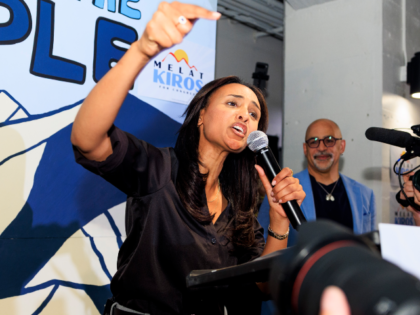
Melat Kiros’s call for reparations as the prerequisite for fighting “white supremacy” is the latest reminder that the modern left treats every social ill as a cash-transfer problem rather than a cultural or behavioral one. By framing the entire American project as an ongoing racial crime that can only be settled by redistribution, Kiros collapses the distinction between policy disagreement and moral indictment, turning ordinary citizens into perpetual debtors. For the firearms community this matters because the same logic that demands race-based wealth extraction also fuels the push to disarm “privileged” populations first; once government decides who owes what, it rarely stops at checks—it moves on to restrictions on the tools that let individuals protect what they have earned.
The 2A community has watched this pattern play out in real time: cities that embraced “equity” rhetoric simultaneously enacted the strictest carry laws, red-flag statutes, and ammunition taxes aimed squarely at working-class and rural gun owners who lack the political connections to carve out exemptions. Kiros’s platform simply makes explicit what many gun-control advocates already imply—that constitutional rights are contingent on historical grievance scores rather than individual conduct. If reparations become the gateway issue for every other policy debate, expect the same gatekeeping to migrate to background checks, magazine limits, and insurance mandates, all justified as “leveling the playing field.”
Gun owners should therefore treat this rhetoric as more than academic; it signals an ideological framework in which self-defense is no longer a universal right but a privilege that must be rationed according to political fashion. The practical response is straightforward: continue building parallel institutions—state-level preemption laws, constitutional-carry expansions, and community training programs—that keep the right to arms tethered to the individual rather than to any group’s ledger of historical debts.


