

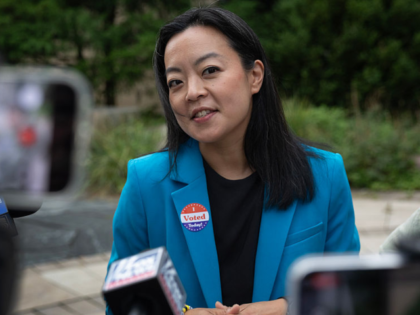
Francesca Hong’s refusal to explain why her ideological comrades Bernie Sanders and Alexandria Ocasio-Cortez have withheld their blessing is more than a campaign gaffe—it’s a window into the uneasy coalition that still props up the modern Democratic Party. Hong, a self-described socialist running for governor of Wisconsin, has spent months courting the same progressive base that catapulted Sanders and AOC to national prominence, yet the two most recognizable faces of that movement are conspicuously silent. Their absence suggests either quiet skepticism about Hong’s electability or a calculated decision to avoid spotlighting a candidate whose rhetoric could alienate the suburban voters Democrats need to hold the governor’s mansion. For Second Amendment supporters, the episode is a reminder that even intra-left fractures rarely translate into softer gun-control positions; the party’s baseline remains an assault-weapons ban, universal background checks, and red-flag laws, regardless of which faction holds the microphone.
The deeper implication is strategic. If Sanders and AOC withhold their imprimatur, it may signal that the national left has recalibrated after bruising losses in 2021 and 2022, recognizing that overt socialist branding carries diminishing returns in swing states. Yet that tactical retreat does not extend to the gun-rights debate. Wisconsin already sits one Democratic governor away from magazine restrictions, permitting reform, and the possible resurrection of a 48-hour waiting period. Hong’s silence on her missing endorsements merely underscores that the energy for gun control still flows from the same wellspring—urban progressive donors, national media, and activist networks—whether or not the marquee names appear on the campaign trail. For Wisconsin gun owners, the lesson is straightforward: the messenger may change, but the menu of restrictions does not.


