

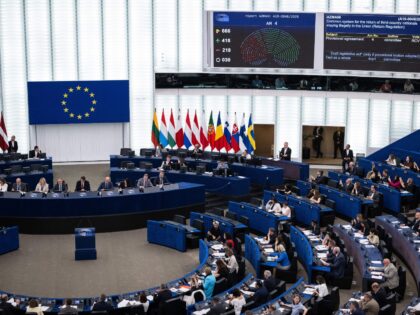
The European Parliament’s move to green-light “return hubs” in third countries isn’t just a tweak to asylum rules—it’s a blunt admission that the old open-door model has collapsed under its own contradictions. By outsourcing deportations to nations willing to host rejected migrants, Brussels is finally conceding that internal enforcement alone cannot stem the tide. For Second Amendment advocates watching from across the Atlantic, the lesson is immediate: when governments lose control of their borders, they eventually rediscover the utility of hard power, and that rediscovery rarely stops at immigration enforcement.
The same political class that once sneered at “send them back” rhetoric is now institutionalizing it, proving that demographic and security pressures override ideology every time. European voters, long told that stricter controls were extremist, have forced the issue through the ballot box and street-level disorder. That shift matters to gun owners because the same governments that spent decades tightening civilian firearm laws are now quietly re-arming border forces and exploring expedited removals—reminding us that rights are most secure when citizens remain armed and vigilant rather than reliant on state benevolence.
For the 2A community, the takeaway is strategic rather than tactical: Europe’s belated pivot shows that sovereignty is not maintained by paperwork alone. Nations that disarm their populations while importing unvetted populations eventually face a reckoning; those that keep both their borders and their citizens armed stand a far better chance of writing the next chapter on their own terms.


