

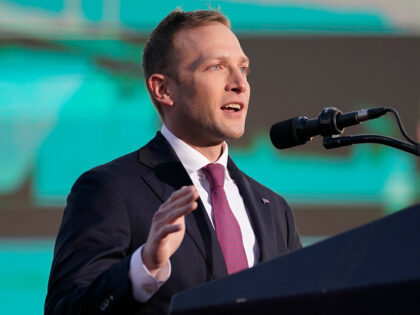
The political pressure on Rep. Max Miller is intensifying, and the timing couldn’t be more revealing for anyone who tracks how gun-control advocates weaponize personal scandals to advance their agenda. Miller, who once served as Donald Trump’s Ohio campaign spokesman and has positioned himself as a reliable Second Amendment vote, now finds himself fielding calls from fellow Republicans demanding he explain domestic-abuse allegations first reported last week. The fact that even Sen. Bernie Moreno—himself a rising conservative voice in the state—is publicly distancing himself signals that intraparty enforcement of personal-conduct standards is tightening, not loosening, heading into 2026.
For the firearms community, the stakes are straightforward: Miller sits on the House Foreign Affairs Committee, where he has backed legislation expanding civilian access to modern sporting rifles and opposed new import restrictions on firearms and ammunition. If the allegations force his resignation or sideline him during markup season, the committee’s slim Republican margin narrows further, giving anti-gun Democrats an easier path to attach micro-stamp mandates or pistol-brace rules to must-pass defense bills. The episode also underscores a broader pattern—when personal misconduct allegations surface against pro-2A lawmakers, legacy media and gun-control groups immediately amplify the story, hoping procedural paralysis will stall pro-rights legislation.
The takeaway for grassroots activists is to keep powder dry and primary pipelines full. Scandals create vacancies; vacancies create special elections; special elections create opportunities for candidates with unassailable records on both personal conduct and constitutional carry. Rather than waiting to see whether Miller survives the current storm, Ohio gun owners should already be identifying and vetting replacements who will treat the Second Amendment as a legislative priority, not a campaign talking point.


