

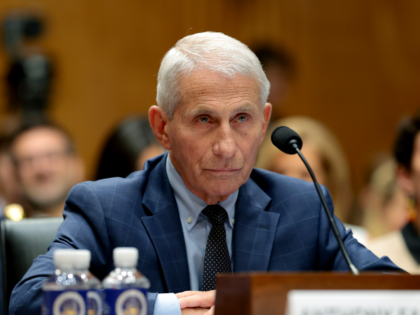
The Senate’s 8-5 vote to hold Anthony Fauci in contempt is more than a procedural slap on the wrist; it is a rare moment when Congress actually uses one of its few remaining tools to punish stonewalling. Fauci’s decision to invoke the Fifth Amendment more than a hundred times is being spun by some as a prudent legal shield, but to millions of Americans it reads like an admission that the administrative state has grown comfortable treating elected oversight as optional. For the Second Amendment community, the episode is a cautionary tale: if a celebrated federal health official can simply refuse to answer questions about gain-of-function research and pandemic policy, what prevents the same agencies from stonewalling when the subject turns to ATF rule-making, pistol-brace redefinitions, or the quiet expansion of the NICS database?
The deeper implication is institutional. Contempt findings are historically toothless unless the Justice Department chooses to prosecute, and that rarely happens when the witness is a former high-ranking official. Yet the very fact that eight senators—two of them Democrats—were willing to put their names on the line signals that the post-COVID appetite for unchecked bureaucratic power is waning. Gun owners who have spent the last decade watching the ATF issue “guidance letters” that carry the force of law without ever passing through Congress should recognize the same pattern: rules imposed by agencies that answer to no one. If lawmakers can’t extract answers from the man who ran the country’s pandemic response, the prospects for reining in an ATF that rewrites pistol and brace definitions overnight look even bleaker.
Still, the vote keeps a spotlight on the accountability gap that gun-rights advocates have long highlighted. Every time an agency sidesteps legislative scrutiny—whether it is NIAID shielding emails about lab-leak theories or the ATF reclassifying millions of pistol braces by administrative fiat—the public’s ability to course-correct through elections is diminished. The contempt citation may never produce a prosecution, but it serves as a public ledger entry: the Senate has now officially recorded that at least one powerful federal figure believes he is above answering to the people’s representatives. For Second Amendment supporters, that ledger is worth watching; the same logic that let Fauci plead the Fifth can just as easily be used to shield the next ATF director who decides, without new legislation, that your rifle is actually a machine gun.


