

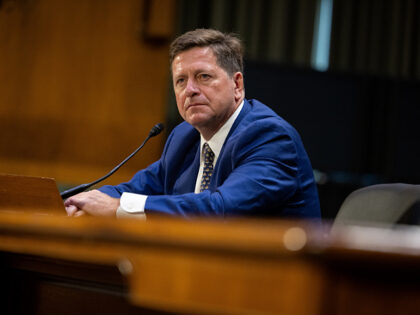
The Senate’s confirmation of Jay Clayton as Director of National Intelligence is more than a personnel move—it’s a signal that the intelligence community may finally be steered by someone who understands the difference between lawful gun owners and the threats that actually matter. Clayton’s record as a Manhattan prosecutor shows a focus on real-world financial crimes and national-security threats rather than the reflexive suspicion of Second Amendment supporters that has colored some prior leadership. For the 2A community, that shift could translate into intelligence products that stop conflating lawful firearm ownership with domestic extremism, a distinction that has already skewed threat assessments and chilled lawful commerce.
Beyond the optics, Clayton’s confirmation arrives at a moment when federal agencies are still digesting the Biden-era push to treat standard-capacity magazines and “ghost guns” as intelligence priorities. A DNI who respects constitutional boundaries is less likely to green-light collection programs that treat every FFL trace or 4473 as a data point in a sprawling domestic-surveillance web. That matters for the millions of Americans who rely on encrypted communications, private sales between friends, and the quiet enjoyment of the shooting sports without wondering whether an algorithm has flagged them for additional scrutiny.
Longer term, the choice also hints at a recalibration inside the broader administrative state. If the intelligence apparatus stops viewing the gun-owning public as a risk factor, resources can be redirected toward transnational cartels, state actors, and ideological networks that demonstrably traffic in violence. That reorientation would not only protect civil liberties; it would make the country measurably safer—an outcome the 2A community has argued for years is impossible when the government mistakes law-abiding citizens for the enemy.


