

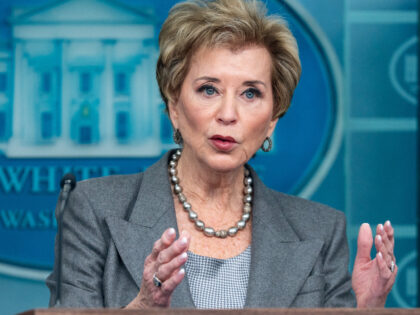
Republican Sens. Susan Collins and Lisa Murkowski have joined Democrat Sen. Tim Kaine to stall the Trump administration’s push to shrink the Department of Education, a move that may seem distant from gun rights but carries real downstream effects for the Second Amendment community. The department’s Office for Civil Rights has long used federal funding as leverage to pressure schools into adopting restrictive policies on everything from campus carry to the way firearms are discussed in classrooms; trimming that bureaucracy would have loosened Washington’s grip on local districts and restored more authority to states and parents. By keeping those levers in place, the bipartisan coalition is effectively preserving a channel through which future administrations—hostile or friendly—can still shape curricula, training standards, and even the climate around lawful self-defense education.
For gun owners, the stakes are practical as well as philosophical. Federal education dollars flow to states with strings attached; those strings can dictate how hunter-safety programs are funded, whether school resource officers receive specialized firearms training, or how “school safety” grants define the line between armed security and an alleged threat. Leaving the department intact means the next rule-making cycle could once again redefine “sensitive places,” tighten funding for marksmanship clubs, or pressure universities to maintain gun-free zones under the threat of losing financial aid. In short, the Senate’s procedural stand is a reminder that institutional inertia at the Department of Education is not a neutral backdrop—it is an active participant in the broader contest over where, when, and how Americans may exercise their right to keep and bear arms.


