

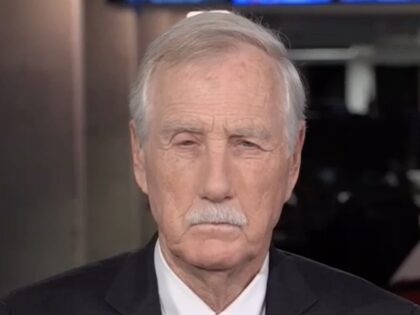
In the wake of the fatal ICE shooting in Biddeford, Senator Angus King’s blunt assessment that Mainers “don’t trust the feds to investigate” lands like a warning shot across the bow of federal law-enforcement credibility. When even a reliably moderate independent from a rural state feels compelled to voice that distrust on national television, it signals a deeper fracture: citizens increasingly view federal agencies as both judge and jury in cases where their own agents pull the trigger. For Second Amendment advocates, the episode is a stark reminder that the same institutional skepticism long directed at the ATF’s regulatory overreach now extends to every armed federal badge; if Mainers won’t accept an in-house review of an ICE shooting, why should gun owners accept the ATF’s word on brace rules, pistol grips, or forced-reset triggers?
The political subtext is equally telling. King’s comments arrive amid a broader national conversation about qualified immunity, use-of-force standards, and the expanding footprint of federal agents in everyday life—from campus raids to border checkpoints. While the facts of the Biddeford incident are still emerging, the reflexive demand for an independent investigation underscores a growing consensus that federal power, once ceded, is rarely clawed back. That dynamic should concern every gun owner: the same logic that shields ICE from meaningful scrutiny can just as easily be turned against lawful carriers who find themselves on the wrong side of an ATF “interpretation” or a DOJ charging decision.
Ultimately, the episode crystallizes why the 2A community’s long-standing insistence on decentralized accountability is not paranoia but prudence. When citizens lose faith that federal agencies will police themselves, the only remaining check is an armed, informed populace willing to demand transparency and, when necessary, legislative pushback. King’s soundbite may have been aimed at one agency, but its ripple effects reach every gun owner who has ever wondered whether the next federal “investigation” will be an inquiry or a cover story.


