

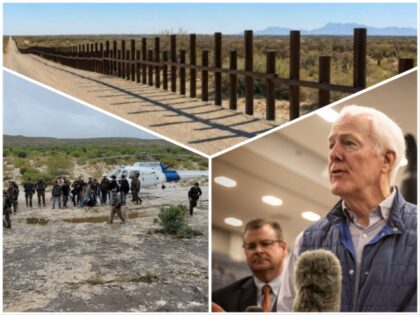
Senator John Cornyn’s decision to stand shoulder-to-shoulder with Austin Democrat James Talarico and Big Bend locals against new border infrastructure is more than a policy disagreement—it’s a signal that even Texas Republicans are willing to trade away sovereignty for environmental optics. The proposed projects would have hardened remote stretches of the Rio Grande where cartel scouts already exploit the park’s vast, unmonitored terrain; instead, the land will remain a soft corridor that traffickers and smugglers can continue to treat as their own private highway. For Second Amendment supporters, the message is unmistakable: when federal land-management rules trump operational control of the border, the same agencies that restrict lawful carry on public lands are also the ones leaving those lands wide open to the very criminals who later justify calls for more gun control.
The optics are equally telling. Cornyn, once viewed as a reliable border hawk, is now auditioning for the same “compassionate conservative” lane that Talarico hopes to ride into the U.S. Senate in 2026. That convergence matters because both men will face pressure to support “gun violence prevention” measures aimed at the very chaos their inaction helps sustain. Every rifle or pistol that crosses the river undetected becomes Exhibit A in the next round of magazine-ban hearings; every fentanyl death fuels another round of “ghost gun” regulations. By ceding physical control of the border, lawmakers effectively outsource the narrative to the same coastal media that already frames armed self-defense as the problem rather than the symptom.
For the 2A community the takeaway is strategic, not partisan. Primary challenges, state-level nullification of federal land rules, and relentless documentation of cartel activity on federal property are now as important as defending magazine capacity or suppressor reform. If the border remains porous, the political cost of owning firearms will keep rising—regardless of which party holds the Senate seat from Texas.


