

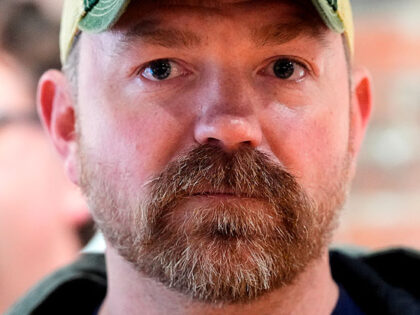
In a political climate where candidates routinely hide behind handlers and scripted statements, Graham Platner’s decision to let his wife field questions about his scandals looks less like partnership and more like a calculated dodge. By outsourcing accountability to a spouse who has no formal role in the campaign, Platner signals that he either lacks the spine to face voters directly or believes the controversies are so radioactive that only a sympathetic family member can soften the blow. For gun owners watching the race, this is a flashing red light: a candidate unwilling to own his record on paper is unlikely to own his record on the Senate floor when anti-2A amendments come up for a vote.
Maine’s Senate seat has historically been a firewall against the most extreme gun-control proposals, but Platner’s apparent discomfort with transparency raises the specter of another Northeast Democrat who talks rural and votes coastal. The 2A community has seen this movie before—candidates who court sportsmen with photo-ops at the range only to quietly support magazine bans, red-flag expansions, and ATF rule-making by fiat once safely in Washington. If Platner cannot even defend his own personal controversies without a proxy, there is little reason to believe he will defend the Second Amendment when the pressure from party leadership and donor class intensifies.
The larger implication is that voters, especially gun owners, should treat spousal damage control as a leading indicator rather than an exception. When a candidate’s first instinct in crisis is to hand the microphone to someone else, it usually foreshadows a legislative record written by staffers and interest groups rather than by principle. Maine’s sportsmen and Second Amendment supporters would do well to remember that the person who refuses to answer for yesterday’s scandals is the same person who will refuse to answer for tomorrow’s gun-control votes.


